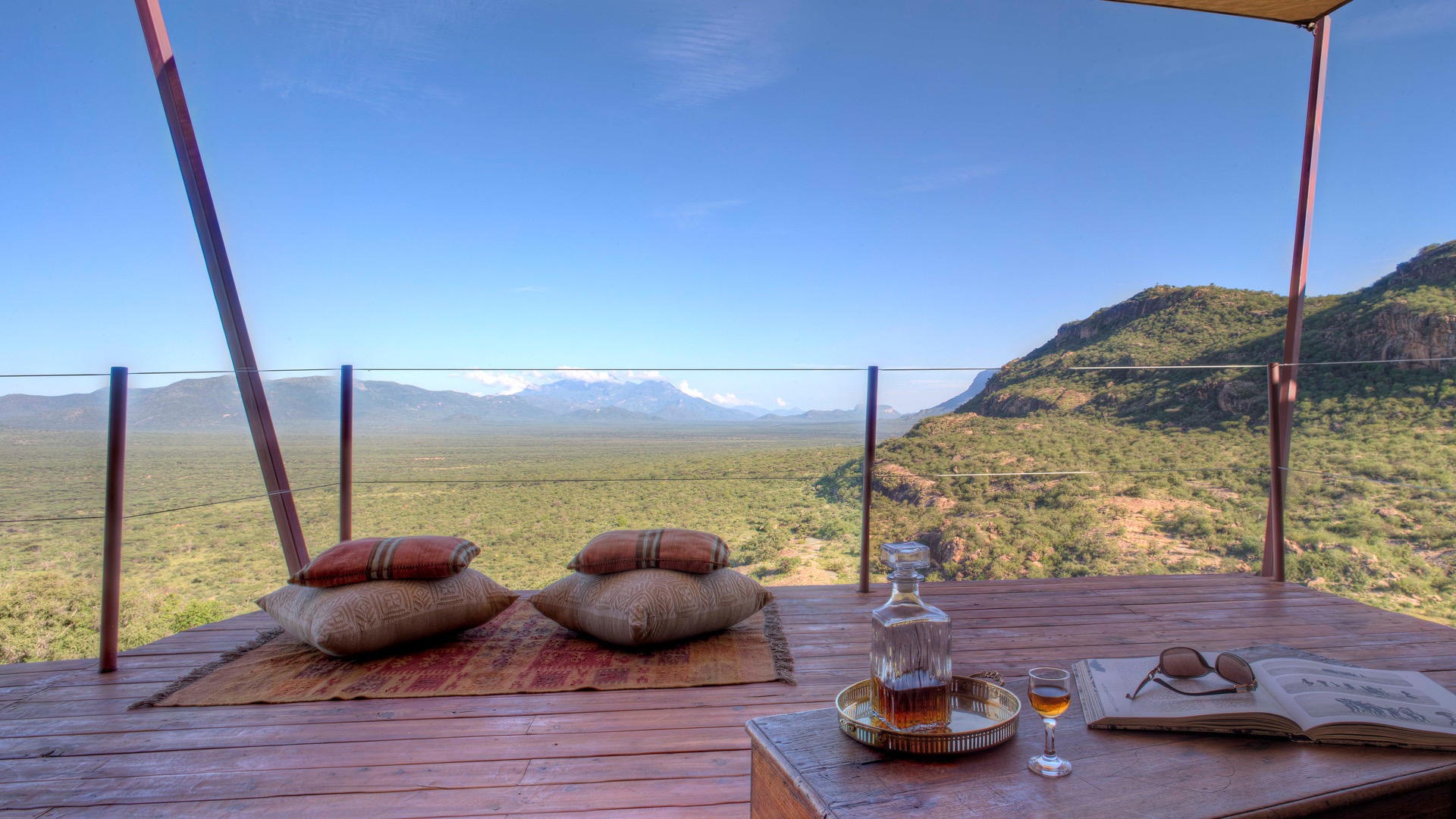
Tenure
Half of what a brochure promises is not the camp’s to give
Walking, night drives, going off-road to a leopard, four vehicles at a sighting rather than forty — all of it is a property of the land, set by a statute or written into a lease, and it changes at a boundary you cannot see from the vehicle.
The building blocks
Five kinds of land, and they are not interchangeable
Two camps four miles apart can offer completely different holidays, because the invisible line between them is a change of tenure.
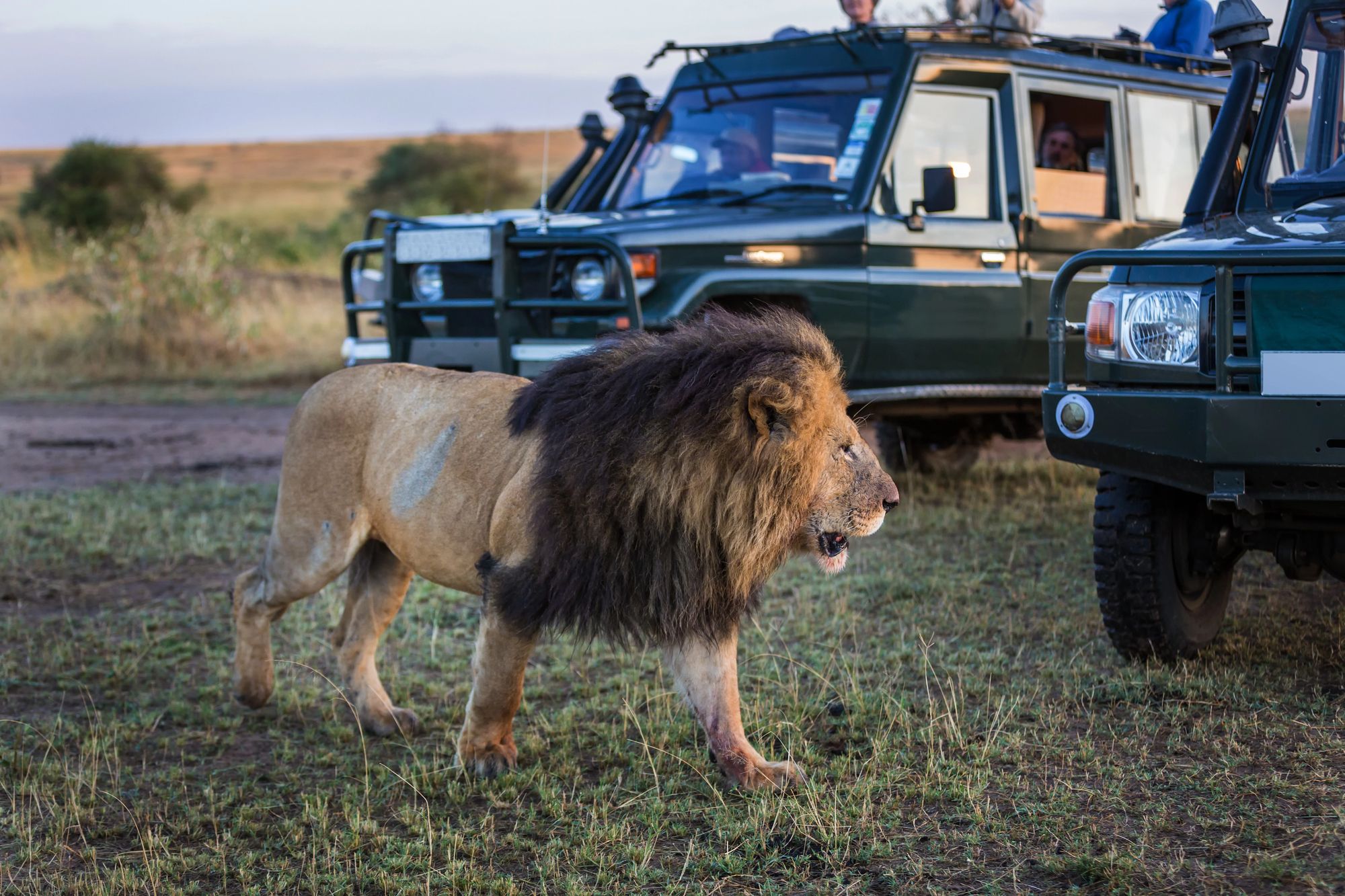
National park
State land, statutory rules, open to anyone with a gate fee. No off-road, no night driving, and no cap on how many vehicles reach a sighting.
What a park allows
National reserve
County-owned rather than state-owned. Similar rules, more variation in how they are enforced, and one well-run exception worth knowing about.
Reserves explained
Private conservancy
Private title, managed for wildlife. The owner sets the rules, which is why Laikipia can offer riding, tracking on foot and dogs.
Private land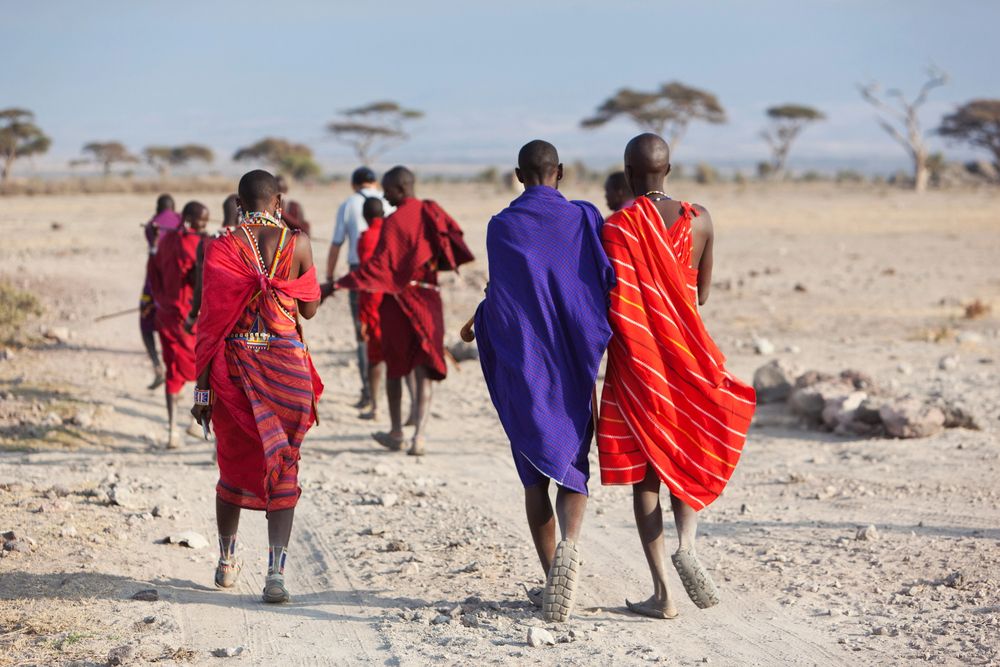
Community conservancy
Community-owned, leased to camps under a contract that caps beds per acre and vehicles per sighting, and pays rent whether or not you come.
How the lease works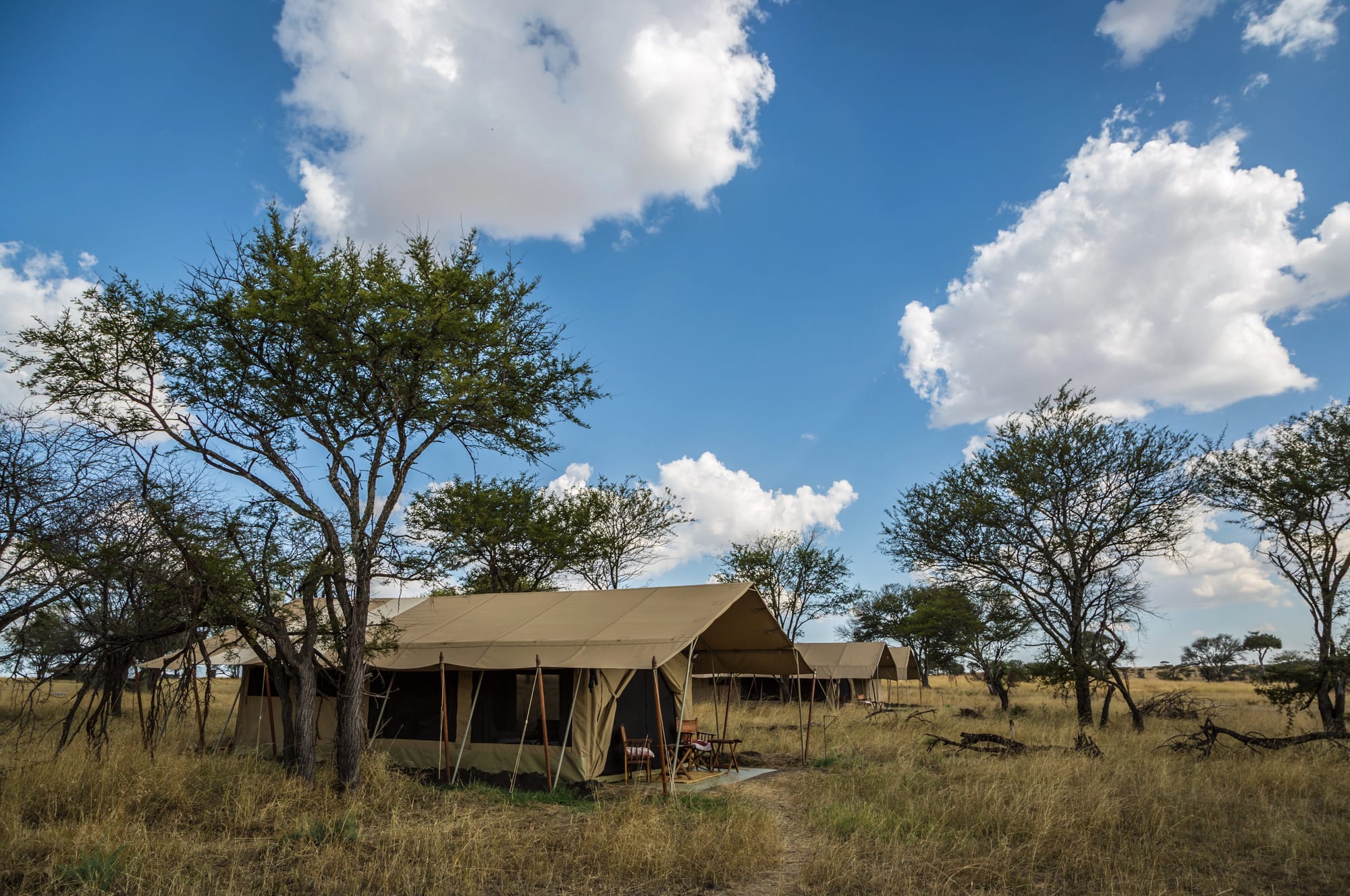
Private concession
Exclusive use of a large area by one operator. Common in Tanzania; the permissions live in the concession agreement rather than a statute.
Concessions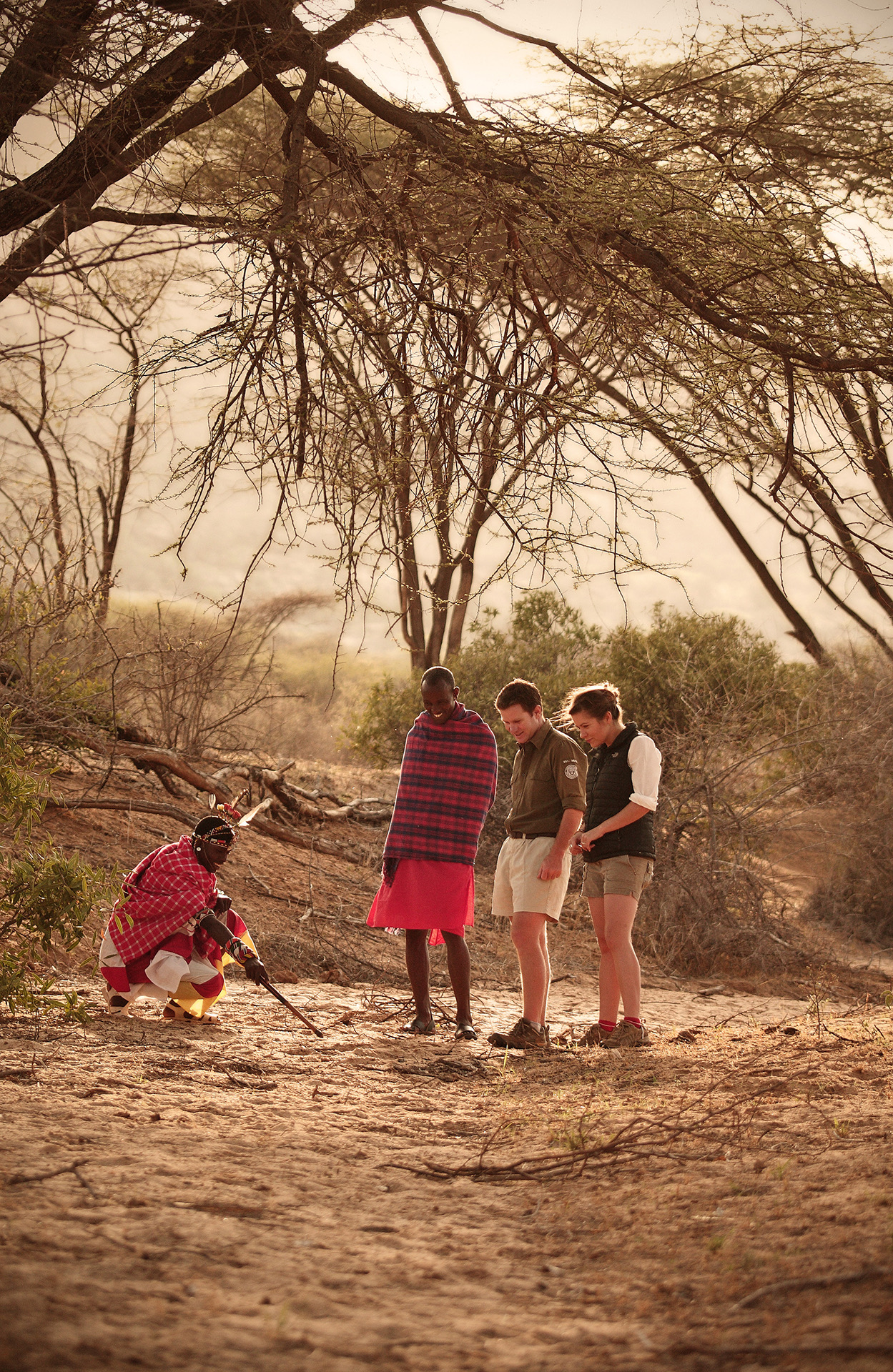
The permissions table
Eight things people care about, five kinds of land, one grid. Hold it against any itinerary you have been sent.
See the tableThe invisible line
Two camps four miles apart, two different holidays
One stands inside a national reserve. The other stands on a community conservancy that shares a boundary with it — the same ecosystem, the same animals crossing between them all night, and nothing in either brochure that tells you which is which.
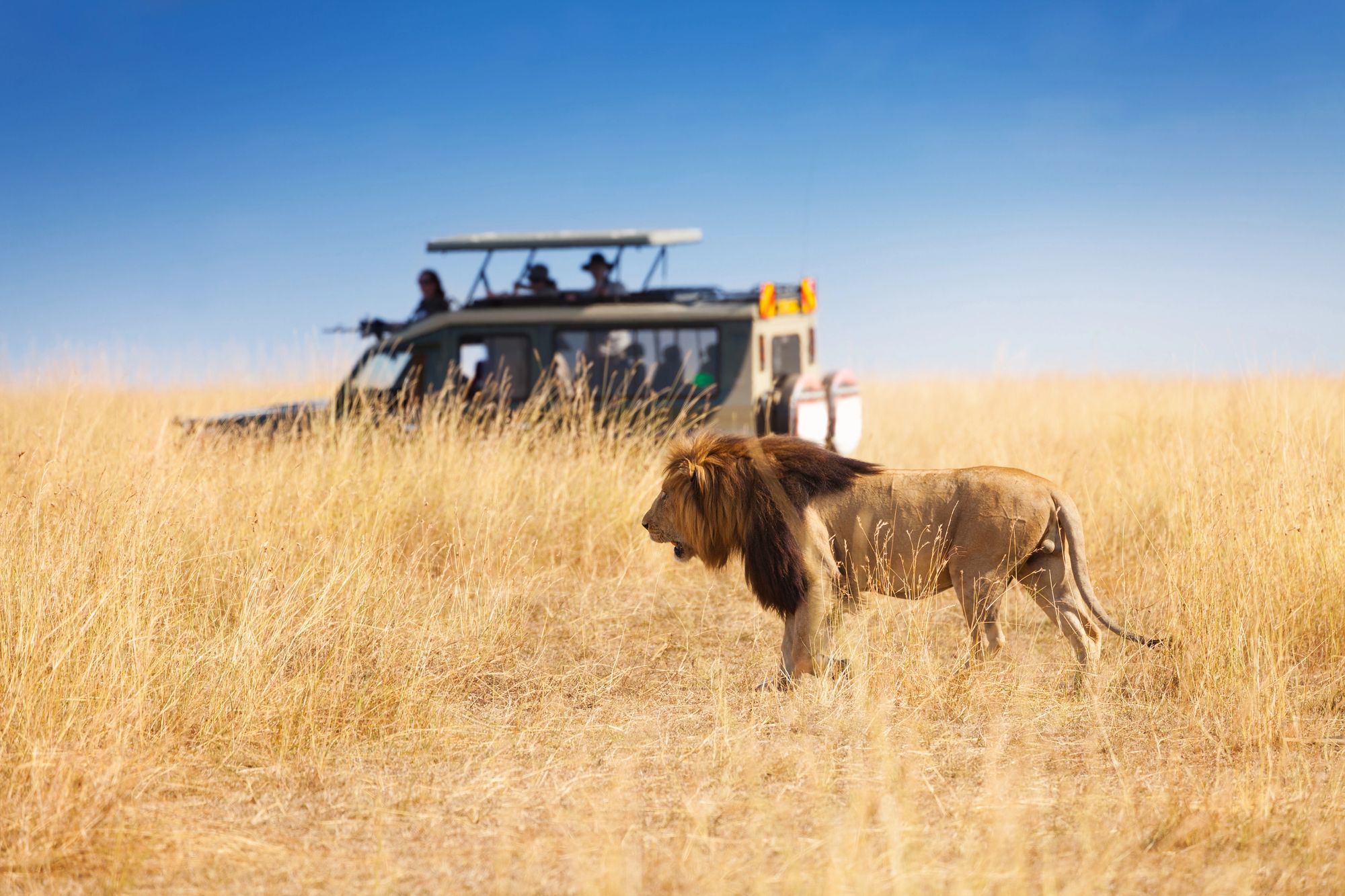
At the first, a leopard at six in the evening means driving back before the gate closes, staying on the track, and sharing the sighting with whoever else has found it. At the second it means driving to the animal, staying out after dark with a spotlight, and a cap on vehicles that is written into the lease.
Neither is better. They are different products at similar prices, and almost nobody is told which one they have bought.
- Statute governs parks and reserves; a lease governs conservancies
- A camp on private land may still drive you into the public park each morning
- Vehicle caps only exist where somebody is paid to enforce them
- The fee structure differs too — park fees can be $100 to $200 per person per day
Free download
What The Land Permits
A single table you can hold against any itinerary: five kinds of land, eight permissions, and what each answer costs you.
- Why the camp cannot promise this
- National park
- National reserve
- Private conservancy
- Community conservancy
- Private concession
- The permissions table
- Six questions to ask about any camp
- What each arrangement costs
No cost, no obligation. We ask for an email so we can send it and, if you want it, follow up once.
Before you ask
The questions tenure raises
Why does my itinerary not say what kind of land each camp is on?
Because it is not a field anybody fills in. Itineraries are written around camp names, nights and transfers, and the tenure underneath is assumed knowledge among the people writing them.
It is a fair question to ask of any plan, ours included, and there is a one-sentence answer for every camp on it. Vagueness in reply is itself informative.
Is a conservancy always better than a park?
No. Parks and reserves hold the set pieces — the river crossings, the caldera, the sheer numbers — and a conservancy cannot manufacture those.
What a conservancy buys is how a sighting feels and what you may do at it. A week split between the two usually beats a week entirely on either, which is why most routes we write are exactly that.
A camp advertises walking safaris. Is that guaranteed?
It depends where the walking happens. Walking from camp needs the land around camp to permit it; walking that is a forty-minute drive away is a different proposition, and only one of the two is available before breakfast.
In national parks walking is rare and usually confined to specific designated areas, so a park-based camp advertising walking is worth one clarifying question.
Does the money actually reach the community?
On a community conservancy the mechanism is a lease: landowners are paid a rent per acre, monthly, whether or not anybody visits. That is a matter of public record in the conservancy’s own reporting rather than a claim we are making for it.
We can tell you which arrangement any camp on your itinerary sits under. We would rather you checked the conservancy’s published figures than took our word for it.
Who actually arranges my safari?
This site is a planning guide. When you send an enquiry it goes to Nomad Africa, our partner travel agency in Kenya, who prepare your itinerary and quote and handle the booking, the payments and you on the ground.
You deal with one team from the first email to the airport transfer home.
Start planning
Tell us what you want to be allowed to do
Walking before breakfast, a spotlight after dark, going off-road to the animal, no other vehicle in sight — each of those is a tenure requirement, and each rules certain places in and out.
Our East Africa specialist replies within 24 hours with a route built on land that permits them, the land type named for every camp, and an itemised price.
- Every camp named, with the land it stands on
- Park and conservancy fees itemised rather than buried
- An honest note where a wish and a boundary conflict
- No deposit to see a plan, and no obligation at any point
Who answers
Nomad Africa, our partner travel agency in Nairobi, builds and prices every itinerary we send. You deal with one team, on the ground, for the whole trip.
Founded in 2017 as East Africa’s only dedicated travel magazine, Nomad still publishes — so the people planning your trip are the ones who write about these places for a living.
Get your tailored itinerary and quote
Our East Africa specialist replies within 24 hours with a costed plan built around your dates.
More from our East Africa guides
Specialist guides across our East Africa network
Each of these is a focused guide we publish. Same East Africa specialist behind every enquiry.